





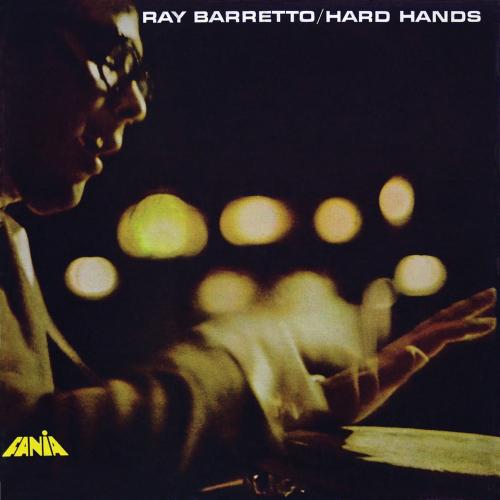
Hard Hands (Remastered 2026) Ray Barretto
Album Info
Album Veröffentlichung:
1968
HRA-Veröffentlichung:
03.04.2026
Das Album enthält Albumcover
Entschuldigen Sie bitte!
Sehr geehrter HIGHRESAUDIO Besucher,
leider kann das Album zurzeit aufgrund von Länder- und Lizenzbeschränkungen nicht gekauft werden oder uns liegt der offizielle Veröffentlichungstermin für Ihr Land noch nicht vor. Wir aktualisieren unsere Veröffentlichungstermine ein- bis zweimal die Woche. Bitte schauen Sie ab und zu mal wieder rein.
Wir empfehlen Ihnen das Album auf Ihre Merkliste zu setzen.
Wir bedanken uns für Ihr Verständnis und Ihre Geduld.
Ihr, HIGHRESAUDIO
- 1 Hard Hands (Remastered 2026) 02:29
- 2 Abidján (Remastered 2026) 04:51
- 3 Love Beads (Remastered 2026) 02:45
- 4 Mi Ritmo Te Llama (Remastered 2026) 04:56
- 5 Got To Have You (Remastered 2026) 02:28
- 6 Son con Cuero (Remastered 2026) 05:15
- 7 Mírame de Frente (Remastered 2026) 04:23
- 8 New York Soul (Remastered 2026) 02:43
- 9 Ahora Sí (Remastered 2026) 05:40
Info zu Hard Hands (Remastered 2026)
Awesome stuff all around! This album's a monster -- one of Ray's greatest, with the same sort of Latin Soul groove heard famously on his classic album Acid. The record has Ray cutting across many genres -- blending Latin, soul, jazz, and a slight bit of funk -- all into a set of grooves that never stops pleasing, and which will make you start digging through the Latin racks like mad, just to find another LP this great! Titles include "Hard Hands", "Abidjan", "Got to Have You", "New York Soul", and the fantastic track "Love Beads", which has a cool rolling piano line that sounds like a great De La Soul sample.
"A 1968 album with Barretto in midst of his most productive period. He had made inroads into pop and jazz markets and was a dominant figure on the Latin jazz and salsa circuit. The album not only provided the great conga player and percussionist with a nickname, it yielded hit single "Abidjan" and also brought personnel changes. Joseph Roman replaced Rene Lopez on trumpet (he'd been drafted), and Tony Fuentes joined the group on bongos." (Ron Wynn, AMG)
Adalberto Santiago, vocals
Louis Cruz, piano
Orestes Vilato, timbales
Roberto Rodriguez, trumpet
Mr. Soul, bass
Tony Fuentes, congos
Ray Barretto, congas
Digitally remastered
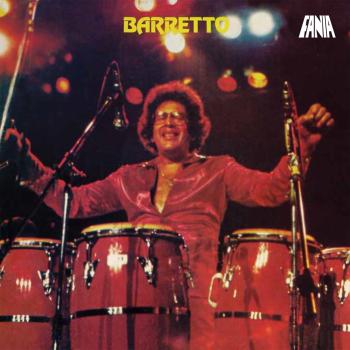

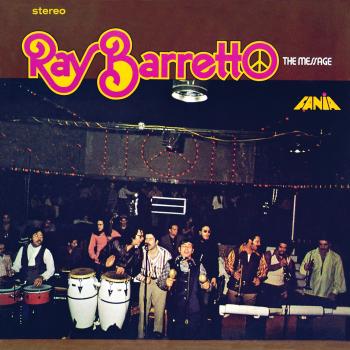
The most widely recorded conguero in jazz, Ray Barretto grew up listening to the music of Puerto Rico and the swing bands of Duke Ellington, Count Basie, and Benny Goodman. Barretto credited Dizzy Gillespie's recording of "Manteca," featuring conguero Chano Pozo, with his decision to become a professional musician.
He first sat in on jam sessions at the Orlando, a G.I. jazz club in Munich. In 1949, after military service, he returned to Harlem and taught himself to play the drums, getting his first regular job with Eddie Bonnemere's Latin Jazz Combo. Barretto then played for four years with Cuban bandleader/pianist José Curbelo. In 1957, he replaced Mongo Santamaria in Tito Puente's band, with which he recorded his first album, Dance Mania. After four years with Puente, he was one of the most sought-after percussionists in New York,attending jam sessions with artists including Max Roach and Art Blakey and recording with Sonny Stitt, Lou Donaldson, Red Garland, Gene Ammons, Eddie "Lockjaw" Davis, Cannonball Adderley, Freddie Hubbard, Cal Tjader, and Dizzy Gillespie. Barretto was so much in demand that in 1960 he was a house musician for the Prestige, Blue Note, and Riverside record labels.
Barretto's first job as a bandleader came in 1961, when Riverside producer Orrin Keepnews asked him to form a charanga for a recording, Pachanga With Barretto. His next album, Charanga Moderna, featured "El Watusi," which became the first Latin number to penetrate Billboard's Top-20 chart. In 1963, "El Watusi" went gold. In 1975 and 1976, Barretto earned back-to-back Grammy nominations for his albums Barretto (with the prize-winning hit "Guarere") and Barretto Live…Tomorrow. His 1979 album for Fania, Rican/Struction, considered a classic of salsa, was named Best Album (1980) by Latin N.Y. magazine, and Barretto was named Conga Player of the Year. He won a Grammy Award in 1990 for the song "Ritmo en el Corazon" with Celia Cruz.
Barretto was inducted into the International Latin Music Hall of Fame in 1999. He was voted Jazz Percussionist of 2004 by the Jazz Journalists Association and won the DownBeat critics' poll for percussion in 2005. His recording Time Was, Time Is was nominated for a 2005 Grammy Award.
Dieses Album enthält kein Booklet